Garden of Witches Best Build for Version 1.0
A current 1.0 build method for Weapons, Spells, Imprints, Relics, DPS checks, and random reward fallbacks.
Direct answer
The best version 1.0 build keeps one primary damage mechanic across its Weapon, Spells, Imprint, and Relics, then uses the real-time DPS display to confirm that each reward improves that plan.
Quick answer
- Set the starting Weapon, Spells, and Special Skills in the Armory.
- Concentrate upgrades until the core skill attribute reaches Level 3.
- Choose an Imprint that preserves the build's main hit pattern.
- Use compatible fallback rewards when the ideal option is missing.
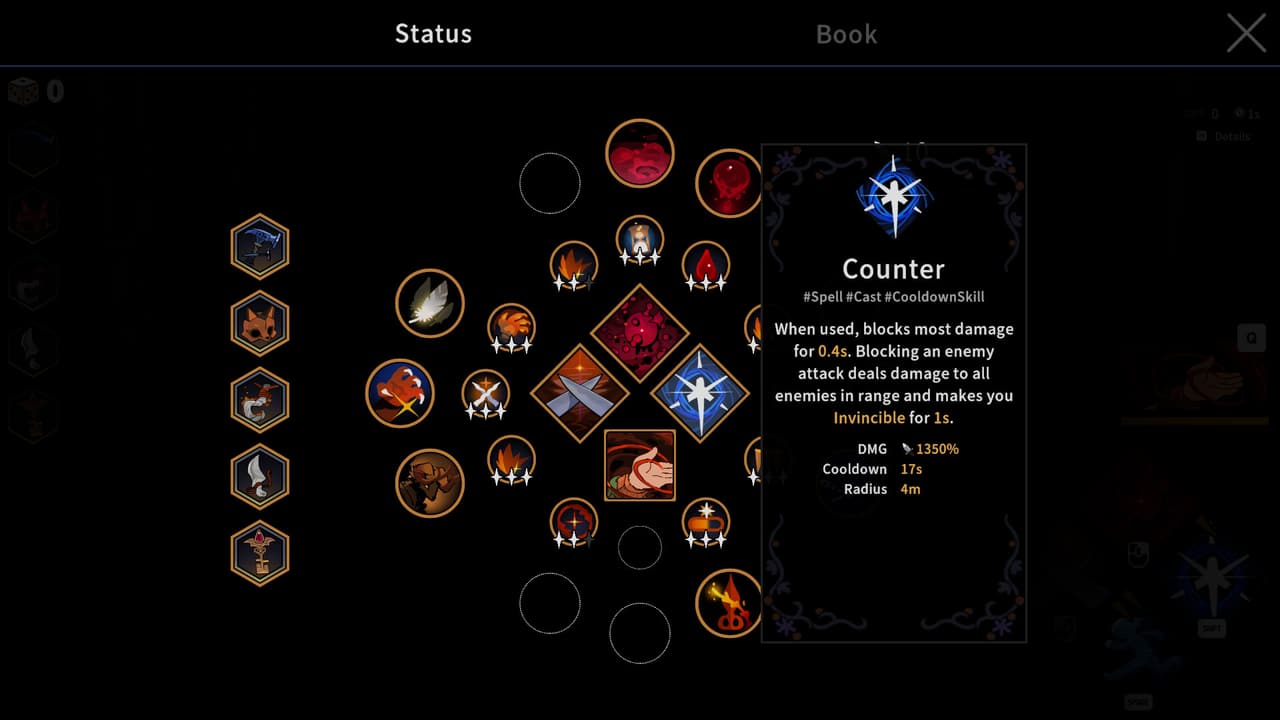
Build a coherent 1.0 loadout
The safest current build starts with one repeatable damage idea. Pick a Weapon and Spell combination that reinforces that idea, then use Imprints to shape how the core ability behaves and Relics to support it. A strong 1.0 build survives one missed reward because its next choice still serves the same damage engine.
Use this table to choose the plan before entering a chapter:
| Build plan | Primary focus | Spell pairing rule | Imprint priority | Relic test |
|---|---|---|---|---|
| Weapon-led | Make the equipped Weapon the reliable damage source | Add Spells that cover its weak moments without demanding a separate upgrade path | Preserve or strengthen the Weapon's repeatable hit pattern | Take the effect only if it improves that pattern or makes it easier to sustain |
| Spell-led | Make one equipped Spell the core damage source | Use the Weapon and remaining Spell to create space for the core Spell | Reach Level 3 on the core attribute and choose the behavior that fits the plan | Prefer effects that improve the core Spell's actual use case |
| On-hit | Create frequent hits that can trigger on-hit value | Pair abilities only when both contribute to frequent contact | Choose the multi-projectile behavior when that is the offered route and it serves the run | Skip effects that demand a conflicting single-hit plan |
The Armory is the prerequisite. It lets you choose an unlocked Weapon, Spells, and Special Skills before the run, so decide which equipped ability will receive your first concentrated upgrades. For the available options and their roles, use the current Weapons overview before committing to a plan.
Build the loadout in five steps
The sequence ends when one primary ability has reached its Imprint decision and the rest of the loadout still supports the same plan.
- Open the Armory and choose the unlocked Weapon, Spells, and Special Skills you intend to start with.
- Name one equipped ability as the primary damage mechanic before the chapter begins.
- Favor upgrades for that ability until its chosen attribute reaches Level 3.
- Read the available Imprint choices and select the behavior that keeps the original damage plan coherent.
- Judge later Relics and fallback rewards by whether they strengthen that same behavior, then confirm the result in combat.
If this is your first run and the Armory choices feel abstract, the beginner route through the opening runs covers the lower-risk fundamentals that come before optimization.
Choose Imprints and Relics around one mechanic
An Imprint opens when the selected skill attribute reaches Level 3. It can alter the skill's behavior, so the correct choice depends on the damage plan you already committed to. The current Fireball example captures the decision clearly: one route can emphasize a large hit, while another creates several smaller projectiles for on-hit effects.
Keep the concentrated hit
Choose the behavior that preserves a single strong impact when the rest of the loadout already supports concentrated damage.
Best for: A spell-led plan built around one decisive hit
Convert into repeated hits
Choose the behavior that creates several smaller projectiles when the run already benefits from frequent on-hit contact.
Best for: An on-hit plan with compatible supporting effects
Protect the weapon core
Keep Spell and Relic choices supportive when the equipped Weapon remains the most reliable source of damage.
Best for: A weapon-led plan that needs consistency
Take the compatible fallback
When the preferred reward is absent, choose the closest option that still serves the core mechanic instead of starting a second damage plan.
Best for: Runs shaped by random room rewards
Treat a Relic as a tradeoff test. Ask what it improves, whether that improvement happens during your normal attack pattern, and whether accepting it forces future upgrades into a second plan. If the answer to the last question is yes, the pickup weakens the build's coherence even when its isolated effect looks attractive.
Check whether the build is working
The first visible checkpoint is the Level 3 threshold. If the expected Imprint choice has appeared for the core attribute, the upgrade path reached its planned branch. The second checkpoint is the real-time DPS display during combat. Watch it after the build has enough action to represent its normal pattern, then judge whether the latest choice improved the combination you actually use.
Use three checks in order:
- Confirm the intended Weapon, Spells, and Special Skills are equipped before the run.
- Confirm the core skill attribute reaches Level 3 and opens its Imprint choice.
- Confirm the revised combination produces stronger or steadier real-time DPS during representative combat.
The DPS display is a diagnostic, not a reason to abandon the plan after one awkward moment. Compare normal combat states, then keep future choices aligned with the mechanic that is producing the result.
Adapt when the ideal reward does not appear
Random room rewards mean a fixed shopping list can fail even when the underlying build idea is sound. Preserve the primary mechanic first. A compatible fallback keeps the current Weapon or Spell productive; an unrelated pickup asks the rest of the run to support two competing plans.
| Symptom | Likely cause | Next check |
|---|---|---|
| The expected Imprint does not appear | The chosen attribute has not reached Level 3, or upgrades were spread across too many abilities | Check the core attribute level and concentrate the next compatible upgrade there |
| DPS falls after a reward | The new effect may change the hit pattern without supporting the existing loadout | Observe the normal attack cycle, then favor rewards that restore the primary mechanic |
| The preferred reward is absent | The room reward does not support the ideal branch | Take the closest compatible modifier and keep the rest of the build unchanged |
| A build recommendation mentions Tags, Synergies, or Runes | The recommendation describes an older progression model | Rebuild the decision around Weapons, Spells, Special Skills, Imprints, and Relics |
This recovery rule matters more than chasing one named pickup: retain the working damage engine, make the smallest compatible adjustment, and use the DPS display to check the result.
Keep old systems out of the build
Version 1.0 removed the old Tag, Synergy, and Rune systems. Current recommendations must use Weapons, Spells, Special Skills, Imprints, and Relics. Any build that requires a removed system cannot be followed in the current game.
The confirmed current rules establish a reliable build method, though they do not establish a universal named-item tier list for every random run. Use the templates above as decision structures. Let the actual reward pool and the DPS display determine which compatible version of the plan survives the chapter.
See the current build flow in action
The video below shows the current loadout screen, equipped Weapon and Spells, upgrades leading into Imprints, and later Relic choices. Use it to recognize the menus and decision rhythm while keeping the article's coherence rules as your checklist.
Current 1.0 Loadout, Imprints, and Relics in Action
See the current loadout screen and how ability upgrades turn into Imprint and Relic decisions during a full combat run.
Frequently Asked Questions
Was this helpful?
Continue reading
These related Garden of Witches pages answer the next questions around this topic.